Small Bathroom Ideas: Smart Space-Saving Design
Written by
Adrian
Published on
February 6, 2026
Reading Time
5 min read
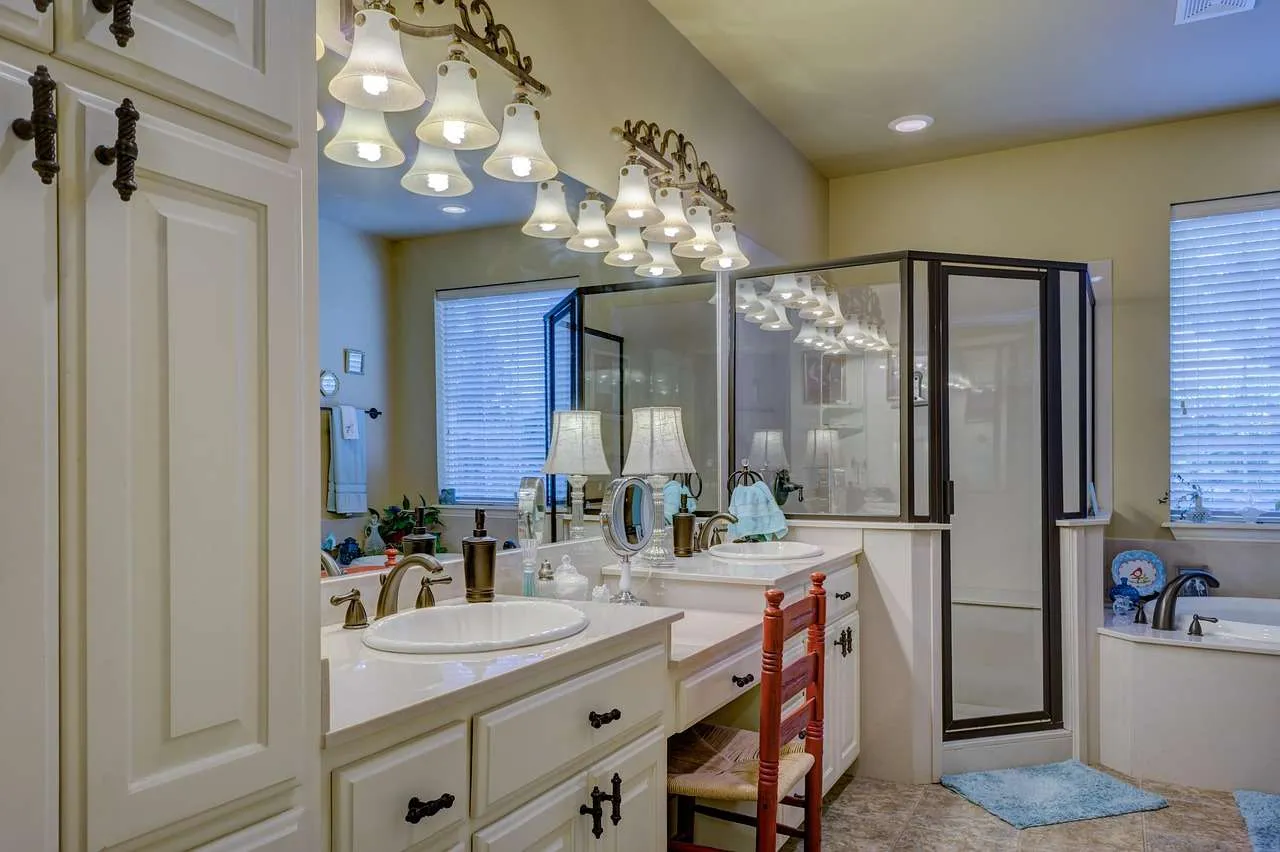
Small bathroom ideas often start with a simple truth: every square inch counts. With thoughtful layout, compact fixtures, and smart storage, a compact bath can feel airy, organized, and spa-like. This guide draws on design principles, accessibility considerations, and durable materials to help you plan a practical and stylish small bathroom. It also aligns with general EEAT principles by recommending professional input for plumbing, electrical, and ventilation work when remodeling.
Smart Layout and Zoning
In a small bathroom, zoning the space around the plumbing wall helps reduce wasted space and simplify construction. A popular approach is a single-wall layout where the toilet, sink, and shower share a straight line, or a corner layout that keeps traffic flow clear. Wall-hung toilets and sinks create the illusion of more floor area and make cleaning easier. If possible, choose a pocket door or a barn door to reclaim width and avoid door swing conflicts with fixtures and storage. Plan for a generous turning space; in most homes a 30 x 48 inch clear area around the vanity suffices for comfortable use.
Shower design is often the most impactful space decision. A curved shower rod or a glass panel with a slim profile visually expands the room. A curbless or low-threshold shower with a linear drain reads seamless and helps keep water inside the shower area. If a tub is essential, select a compact alcove model with a slim profile and install a shower head in the same enclosure to preserve space while keeping flexibility for baths or quick rinses.
Fixtures that Save Space
Choose fixtures that maximize usable floor area. A wall-mounted sink or a compact vanity with slim depth preserves walkway space. A mirror with built-in storage or a recessed medicine cabinet keeps daily items within arm's reach but out of sight. For toilets, a wall-mounted option with a compact tank can reduce protruding profile, while still delivering comfortable use. When possible, select fixtures with rounded edges to soften the look and reduce the chance of bumps in tight corridors.
Storage Solutions
- Recessed niches in the shower for shampoo, soap, and other bottles, reducing clutter on the bench or corner.
- Medicine cabinets or mirrored cabinets above the basin to hide toiletries and reflect light.
- Tall, slim cabinets or pull-out organizers beside the toilet to house towels and bathroom essentials.
- Corner shelving with curved edges to utilize awkward corners without interrupting traffic flow.
- Under-sink organizers or pull-out drawers to maximize the space under the vanity.
Lighting and Color
Layer lighting to make the space feel larger: bright ceiling lighting, task lighting around the mirror, and soft ambient glow for evenings. Light colors such as soft whites, warm beiges, and pale pastels reflect more light and expand the perceived space. Use large-format porcelain or ceramic tiles with minimal grout and a low-contrast grout color to create a seamless surface. Choose durable, moisture-resistant finishes and fittings in matte chrome or brushed nickel to maintain a clean, modern aesthetic. Where possible, introduce a vertical element such as a tall mirror or a slim vertical tile to draw the eye upward.
Durability, Costs, and Maintenance
Durability matters in small bathrooms because maintenance disruptions are more noticeable. Select moisture-resistant materials like porcelain tile, quartz countertops, and acrylic showers. Invest in high-quality waterproofing, a reliable ventilation fan, and sealed grout to reduce staining and mold growth. For ongoing care, choose easy-clean surfaces and wipe-down routines. When remodeling, consult a licensed plumber and electrician and check local building codes to ensure safe and compliant installations. Planning with a realistic budget that prioritizes fixtures offering both form and function helps prevent costly changes later.
Comparison of Design Options
| Option | Pros | Cons | Best Use |
|---|---|---|---|
| Open Shelving | Feels airy; easy access | Dusty; requires regular organizing | Display and lightweight storage |
| Closed Storage Vanity | Hidden clutter; higher capacity | Can trap moisture if not vented | Primary storage for small baths |
| Wall Mounted Cabinet | Keeps floor clear; adjustable | Limited capacity | Medication and small items |
Practical Steps to Begin
Measure your space carefully, noting door clears, window obstructions, and vent locations. List must-have items and rank them by priority. Create a simple mood board with colors, textures, and materials that suit your home style. If you are remodeling, work with professionals who understand moisture control and ventilation to ensure long-term performance and comfort. A staged approach—planning, demo, plumbing and wiring, then fixture installation—helps manage costs and disruption.
Conclusion, applying these small bathroom ideas helps you maximize space, improve usability, and craft a bathroom that feels larger, more organized, and stylish in daily use.